
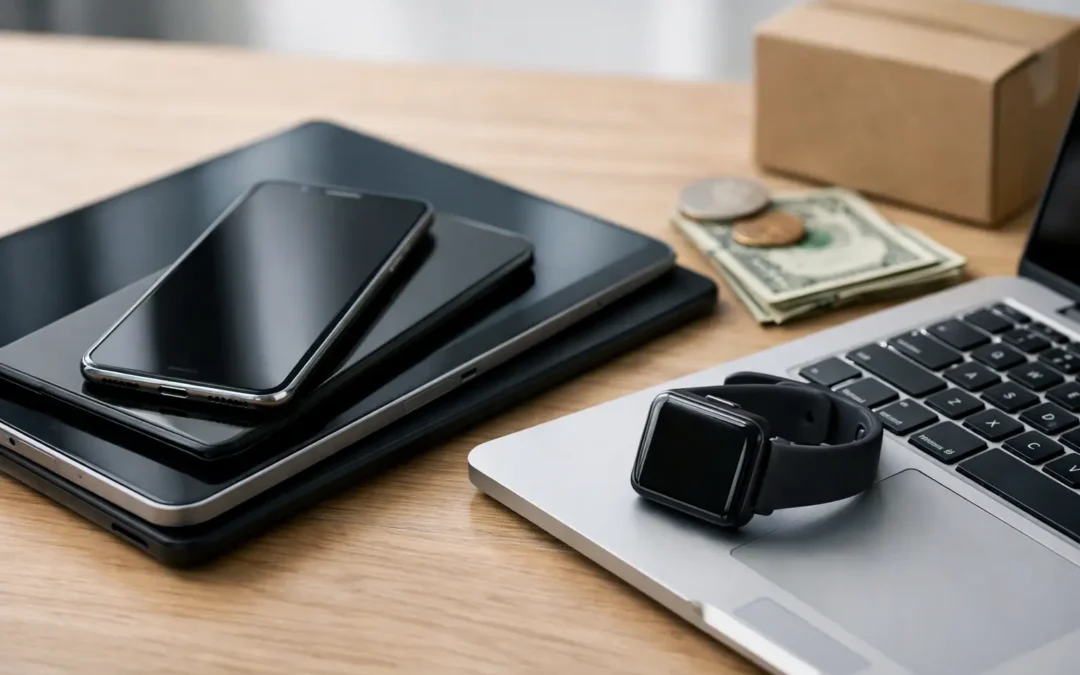
That drawer full of old phones is not just clutter. Device resale can turn a cracked-screen iPhone, a replaced laptop, or an unused tablet into money toward your next repair, upgrade, or bill. The catch is that value drops fast when a device is locked, damaged, missing key parts, or packed with personal data.
For Houston households, students, professionals, and small businesses, selling an old device should be simple. You need a fair evaluation, clear expectations about condition, and confidence that your information will not leave with the phone. Here is how to get the most from equipment you no longer use without turning the process into another tech headache.
What Determines Device Resale Value?
Age matters, but it is not the only thing buyers look at. A two-year-old phone with a healthy battery, clean screen, and working cameras can be worth more than a newer model with a damaged charging port. Popular models from Apple, Samsung, Google, Dell, HP, and Lenovo often hold value better because replacement parts and buyer demand are easier to find.
Storage capacity, carrier status, color, included accessories, and whether the device is paid off can also affect an offer. An unlocked phone usually appeals to more buyers than one tied to a carrier. Original chargers and boxes may help, but they rarely make up for a weak battery or a broken display.
Condition is usually the biggest factor you can control. Sellers often assume any crack makes a phone worthless. That is not always true. A device with a cracked screen, worn battery, liquid damage history, or a minor camera issue may still have resale value, especially if it can be repaired affordably. The best option depends on the repair cost and how much the fix will raise the final offer.
A quick repair-before-selling decision
Before paying for a repair, compare three numbers: the device’s current offer, the likely offer after repair, and the repair cost. If fixing a screen adds $150 in value but costs $100, it may be worth doing. If the repair costs more than the extra resale value, sell it as-is and be upfront about the issue.
This calculation is especially useful for older devices. A new screen can make sense on a recent iPhone or flagship Samsung phone. On a much older budget phone, the same repair may not pay back. A local technician can help identify problems that are reducing value and give you a realistic quote before you decide.
Prepare Your Device for Resale Safely
The most expensive mistake in device resale is handing over a device that still contains your data. Photos, bank alerts, saved passwords, work emails, school files, and family messages can remain accessible even after you sign out of an app. Take a few careful steps before selling or trading in a device.
First, back up what you need. For phones and tablets, save photos, messages, contacts, and app data to your preferred cloud account or transfer them to your new device. For a computer, copy important files to secure storage and confirm that the backup opens correctly. Do not assume a backup finished just because you started one.
Next, sign out of your accounts and remove the device from any tracking or activation service. On iPhones and iPads, turn off Find My and sign out of your Apple Account before erasing the device. On Android devices, remove your Google account and disable factory reset protection where applicable. For laptops, sign out of user accounts, deactivate software licenses you plan to keep, and remove the device from workplace management systems.
Then perform a factory reset using the device settings. Do not simply delete photos or drag files to the trash. A proper erase removes your accounts and prepares the device for its next owner. If a phone is locked to an Apple Account, Google account, or company management profile, it can be difficult or impossible to resell until that lock is removed.
Finally, remove SIM cards, memory cards, cases, and accessories you do not intend to sell. Check the physical card tray and charging ports. It is common to leave a SIM card behind during a rushed upgrade, and that card may still be connected to your phone number.
Be Honest About Condition
Clear condition details protect everyone involved. Small scratches on the frame, a battery that drains quickly, a speaker that sounds muffled, or an occasional charging issue should be disclosed. A professional buyer will test the device anyway, so hiding a problem only slows down the transaction and can change the offer later.
Use plain language when describing issues. Instead of saying a phone is in “great shape,” say that the screen has no cracks, Face ID works, cameras focus properly, and the battery lasts through most of a day. If it has a problem, say what happens and when. For example: “The laptop turns on, but the left USB port does not recognize accessories.” Specific details lead to a more accurate evaluation.
You should also verify that the device is not reported lost or stolen and that any financing balance has been paid. Buyers may check identifying information such as an IMEI, serial number, or service tag. A device with an unpaid balance or a blacklist status can lose most of its resale value, even if it looks brand new.
Local Device Resale Versus Selling It Yourself
Selling directly to another person can sometimes bring the highest price. It also comes with more work: taking photos, creating listings, answering messages, arranging meetups, dealing with no-shows, and worrying about payment disputes. For a current, fully working flagship phone, that extra effort may be worthwhile if you have time and know how to sell safely.
A local resale or trade-in option is usually faster and more predictable. You receive an evaluation, know the condition-based offer, and avoid shipping delays or meeting strangers. This can be the better choice when you need money promptly, have a damaged device, or want help confirming that your data has been removed correctly.
Mail-in programs offer convenience, but the final value can change after inspection and payment may take longer. They also require you to package and ship a device that may be worth hundreds of dollars. If your phone is your backup for work, school, or family communication, a local option gives you a clearer handoff and a faster answer.
Phone Repair Ambulance can help Houston customers assess repair needs, prepare eligible devices for resale, and make a practical choice between repairing, trading in, or selling as-is. That matters when a device has an issue you cannot confidently diagnose, such as water exposure, charging trouble, or an unresponsive screen.
How to Get a Fair Offer
Start by identifying the exact model, storage size, and condition. Settings menus usually show this information, and the serial number or IMEI can help confirm it. Be ready to answer whether the device powers on, whether it is unlocked, whether all major functions work, and whether it has been reset.
Clean the device gently before an evaluation. Wipe fingerprints from the display, remove stickers, and clear dust from ports with care. Cleaning does not change a damaged device into a perfect one, but it makes its actual condition easier to see. Avoid aggressive cleaners, sharp tools, or moisture around openings.
Timing can help, too. Phones typically lose value after a new generation launches, while laptops may lose value when newer processors become standard. If you already know you will upgrade soon, selling sooner is often better than holding onto an unused device for another year. On the other hand, keeping a reliable backup phone can be more valuable than a small resale payment if your primary device is essential for work.
Keep the Process Simple and Secure
A good resale transaction should not leave you guessing about the offer, your data, or what happens next. Ask how the device is tested, whether damaged devices are accepted, and whether an activation lock will prevent a sale. Get clarity before you hand it over, not after.
Your old tech may be ready for a second life, even if it has a few miles on it. Take ten careful minutes to back it up, reset it, and understand its condition, then choose the selling route that gives you the right balance of value, speed, and peace of mind.