
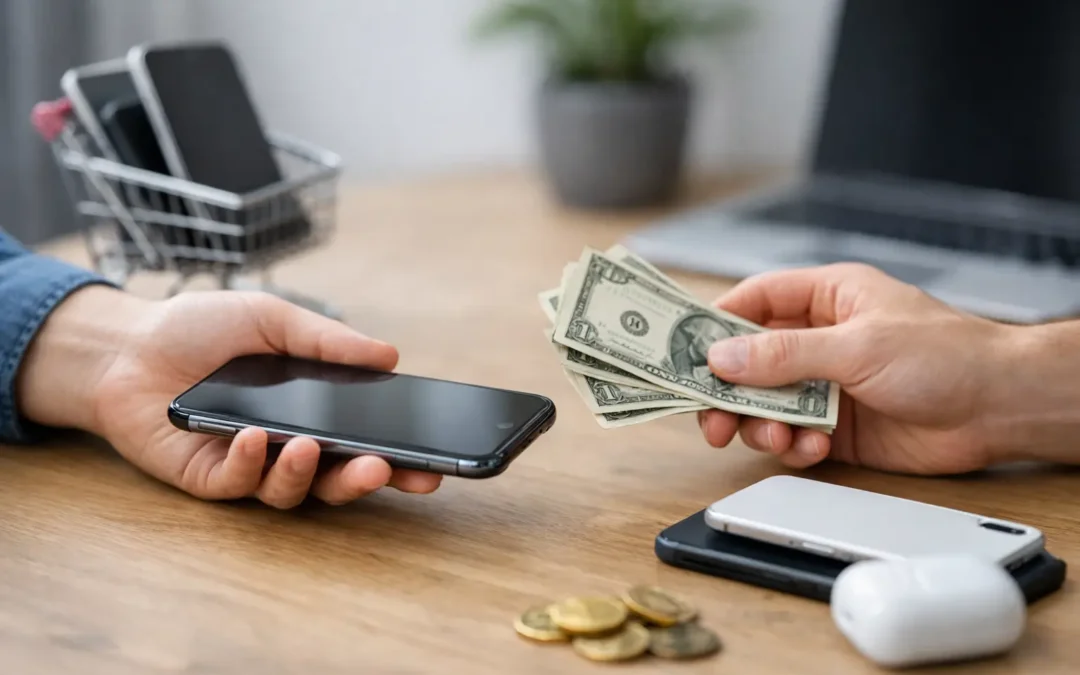
Most people wait too long to sell used phone devices. A cracked screen turns into battery trouble, a battery issue turns into random shutdowns, and suddenly that phone you meant to cash out is worth a lot less than it was a month ago.
If you have an old iPhone or Samsung sitting in a drawer, timing matters. So does condition, data security, and where you sell it. The goal is simple: get paid fairly without wasting your week dealing with flaky buyers, lowball offers, or avoidable privacy risks.
When to sell used phone devices
The best time to sell is usually before the next model drops and before your current device develops another problem. Phones lose value fast, especially once a newer version hits the market and pushes trade-in pricing down.
That does not mean you need a perfect phone to sell it. A used phone with cosmetic wear can still have solid value. Even a device with a cracked screen, charging issue, or weak battery may be worth selling instead of storing. If the phone powers on, holds some charge, and is not tied up with account locks, you have options.
For Houston customers, speed matters for another reason. A lot of people rely on one main device for work, school, navigation, banking, and family communication. If you are replacing a phone quickly, selling the old one right away keeps the process clean. You avoid mixing up backups, carriers, and accounts weeks later when the details are harder to track down.
What affects your phone’s resale value
Price is not just about model number. Buyers look at a handful of practical details, and each one can move the value up or down.
Storage capacity usually helps. A higher-capacity model often gets a better offer, especially on newer iPhones and Samsung Galaxy devices. Carrier status also matters. An unlocked phone is typically easier to sell than one tied to a specific network.
Condition is where the biggest swings happen. Light scratches are one thing. A shattered back glass, Face ID issue, charging port problem, or water damage is another. Battery health can also affect resale value, particularly with iPhones, because buyers know what poor battery performance feels like in daily use.
Then there is account status. If Find My iPhone is still on, or the phone is locked to a Google account, the sale can stall completely. A buyer wants a device that can actually be activated. If they cannot set it up, they are not paying full value.
How to prepare your phone before you sell it
This is the part people rush, and it is where mistakes get expensive. Before you hand over any phone, protect your data and make the device easier to resell.
Start by backing everything up. Photos, contacts, messages, notes, app data, and two-factor authentication settings matter more than most people realize. Once the phone is wiped, recovering that information can be difficult or impossible.
Next, sign out of your accounts. On iPhone, that means turning off Find My and signing out of iCloud. On Android, remove your Google account and disable any factory reset protection tied to it. Also unpair smartwatches, remove eSIMs if needed, and take out any physical SIM card.
After that, do a full factory reset. Clean the phone gently, but do not try home repair tricks right before the sale. A buyer can usually tell when someone tried to hide damage or patch a problem with a cheap part.
If you still have the original box, charging cable, or proof of purchase, keep it nearby. Accessories do not always add a huge amount of money, but they can make the sale smoother and help support your asking price.
Repair first or sell as-is?
This depends on the issue. Some repairs raise resale value enough to make sense. Others cost more than they return.
A minor screen repair on a newer phone may improve your payout because buyers strongly prefer devices that look ready to use. The same can be true for a battery replacement if the battery health is poor and the phone is otherwise in good shape. On the other hand, major board damage, severe water damage, or multiple failing components can make an as-is sale the smarter move.
That is why a quick inspection helps. If you are not sure whether to fix it or sell it broken, get a realistic quote first. A local repair team can tell you whether the repair cost creates more value or just adds another expense. For many Houston customers, that saves time and avoids guessing.
At Phone Repair Ambulance, this kind of decision is part of the everyday conversation. Sometimes a fast repair makes the phone easier to sell. Sometimes the better move is to trade it in and move on.
Best places to sell used phone models
There is no one best option for every seller. It depends on whether you care most about top dollar, speed, or convenience.
Selling to a local buyback shop
This is usually the fastest and simplest route. You get an evaluation, an offer, and a clear next step without waiting on shipping, online listing approvals, or strangers messaging you at odd hours. For people with busy schedules, that convenience is worth a lot.
The trade-off is that a direct buyer has to leave room for refurbishment and resale, so the offer may be lower than a private-party sale. Still, many people prefer certainty over chasing a slightly higher price that may never actually happen.
Trading in with a carrier or retailer
Trade-ins are convenient if you are already upgrading. They are especially common when a carrier is running a promotion. But the headline value is not always as straightforward as it sounds. Sometimes the credit is spread over monthly billing cycles, or it depends on adding a line or changing plans.
That can work well if you were making those changes anyway. If not, read the details carefully. A bigger trade-in number is not always the better deal.
Selling to a private buyer
This can bring the highest price, especially for newer phones in strong condition. But it also takes the most effort. You need good photos, an accurate description, a safe meeting plan, and patience for no-shows and low offers.
Private sales also carry more risk. If you do go that route, meet in a public place, verify payment before handing over the device, and never ship a phone based on a promise that funds are coming later.
How to price your used phone realistically
A lot of sellers either overprice because they remember what they paid, or underprice because they want it gone by tonight. Neither is ideal.
Start with the exact model, storage size, carrier status, and condition. Be honest about repairs and flaws. A phone with an aftermarket screen, weak battery, or camera issue should be priced differently than one in clean working condition.
Then compare real current offers, not wishful listings. Asking prices online can be misleading because many of those phones never sell. What matters is what buyers are actually willing to pay today.
If you want a fast sale, leave some room under the highest market number. If you want maximum value, expect more waiting and more negotiation. That is the trade-off every seller makes.
Common mistakes that cost sellers money
The biggest mistake is delaying. Phones depreciate quickly, and every new issue cuts into value. Another common one is forgetting to remove account locks, which can kill a sale on the spot.
Some sellers also skip basic cleaning and presentation. A phone does not need to look brand-new, but fingerprints, lint in the charging port, and a dirty case do not help buyer confidence. Others hide damage, thinking it will help them negotiate later. It usually does the opposite.
Finally, do not ignore small repair issues if the phone is a newer model. A simple fix might be the difference between a low as-is offer and a much better resale number. You do not need to guess – get the phone looked at and make the decision based on actual numbers.
Sell used phone devices safely in Houston
If your priority is speed, safety, and a fair local offer, selling close to home makes the process easier. You can ask questions, get the phone assessed in person, and avoid the uncertainty that comes with shipping or meeting random buyers.
That matters even more if your phone has damage. A local expert can tell you whether it is worth repairing first, whether the issue affects buyback value significantly, and whether the device is ready for resale after a proper reset and inspection.
The best sale is not always the one with the biggest number attached to it. It is the one that actually happens, protects your data, and fits your timeline without creating another problem to solve. If you are ready to move on from your old device, do not let it lose another month of value sitting in a drawer.